


-v1698821311816.webp?1800x1800&options=w_65)




-v1698821311816.webp?1800x1800&options=w_60)


Beef and Lamb Dishes to Feed a Crowd This Easter

Easter weekend is one of the best excuses on the calendar to gather people around the table. Whether you are hosting a big family lunch, a relaxed backyard gathering, or something a little more intimate over the long weekend, food plays a central role in how the occasion feels. And in New Zealand, that almost always means a roast.
The challenge with feeding a crowd is not really about picking something impressive. It is about picking something that will hold up across different appetites and preferences, taste just as good an hour after it comes out of the oven, and not require you to spend the entire meal chained to the kitchen. The right cut of meat solves all three problems at once.
This guide takes you through the best beef and lamb options for Easter entertaining, from the classic crowd-pleasers to the cuts worth discovering if you want to offer something a little different. All of the cuts featured are available from Matangi, delivered direct to your door across New Zealand.
Why Easter Is Perfect for Roasting
The timing works in the cook's favour. Easter falls in early autumn in New Zealand, when the days are still warm but the evenings are beginning to cool. It is the ideal weather for a long, slow roast, the kind that fills the house with the smell of garlic and herbs for hours before anyone sits down.
Autumn also means the season's lamb and beef are at an excellent point in the year. Matangi's Hawke's Bay farms benefit from a long warm growing season, which means the grass your meat was raised on has had time to develop real nutritional density. That translates directly into flavour on the plate.
The Classic: Whole Roast Lamb Leg
If there is one dish that defines the New Zealand Easter table, it is a whole roast lamb leg. It is the centrepiece that everyone recognises, that carves beautifully at the table, and that satisfies even the most committed carnivore.
Matangi's Lamb Leg Roast is approximately 2.5kg and serves six to eight people generously. The lamb is chicory-finished, meaning it spends a minimum of 35 days on chicory pasture before processing. Chicory finishing is something quite specific to Matangi, and it makes a genuine difference: the resulting meat is notably tender with a subtle, slightly sweet quality that lifts it above standard lamb.
Cooking the lamb leg:
-
Remove from the fridge at least an hour before cooking to come to room temperature.
-
Score the surface with a sharp knife and push slivers of garlic and small sprigs of rosemary into the cuts.
-
Rub generously with olive oil, flaky sea salt, and cracked pepper.
-
Roast at 200°C for the first 20 minutes to develop colour, then reduce to 170°C.
-
Allow approximately 20 minutes per 500g for medium (internal temperature around 65°C), or 25 minutes per 500g for well done.
-
Rest covered in foil for at least 20 minutes before carving. This step is non-negotiable. The rest redistributes the juices and takes the roast from good to excellent.
Serve with roasted root vegetables, a good gravy made from the pan drippings, and a simple mint sauce.
A Crowd Favourite: Slow-Roasted Lamb Shoulder
For larger groups, or anyone who wants something more hands-off, a bone-in lamb shoulder is arguably the better choice over a leg roast. It is more forgiving over longer cooking times, requires almost no attention while it is in the oven, and produces the kind of fall-apart, pull-apart meat that makes guests go quiet in the way that means the food is very good.
Matangi's Lamb Shoulder Roast Bone In slow-roasts at 160°C for 3 to 4 hours. The higher fat content of the shoulder means it self-bastes over that long cook time, turning the collagen in the meat into natural gelatin that keeps everything moist and rich.
How to serve it: Do not try to carve a slow-roasted shoulder. Instead, place it on a board and use two forks to pull the meat apart into generous chunks. It will serve eight to ten people from a single shoulder. Set it on the table with warm flatbreads, a herbed yoghurt sauce, roasted capsicum, and a simple green salad and you have a relaxed feast that feels completely effortless.
For those who want the richness of slow-cooked lamb without the bone, the Lamb Shoulder - Boned and Rolled is an excellent boneless alternative that responds just as beautifully to low-and-slow cooking.
For the BBQ: Butterflied Lamb Leg
Easter weekend often ends up split between kitchen cooking and outdoor cooking, particularly if the weather holds. A butterflied lamb leg bridges both worlds. It can be marinated overnight, cooked on a hot BBQ in under 40 minutes, and rested on a board before carving into slices.
Matangi's Butterflied Lamb Leg is boneless and flat, which means it cooks evenly and quickly on the grill. The chicory-finished flavour holds up beautifully against bold marinades, particularly anything with lemon, garlic, oregano, or cumin.
A simple marinade:
-
4 tablespoons olive oil
-
Juice of one lemon
-
3 garlic cloves, crushed
-
2 teaspoons dried oregano
-
1 teaspoon ground cumin
-
Salt and cracked pepper
Marinate overnight if possible, or for a minimum of two hours. Grill over medium-high heat for 15 to 20 minutes per side depending on thickness, then rest for 10 minutes before slicing against the grain.
The Beef Option: Slow-Roasted Rump or Topside
Not everyone at the Easter table is a lamb fan, and having a beautifully roasted beef cut alongside the lamb is both generous and practical for feeding a larger group. Beef roasts also have the advantage of being equally good served at room temperature, which takes the pressure off timing when you are juggling multiple dishes.
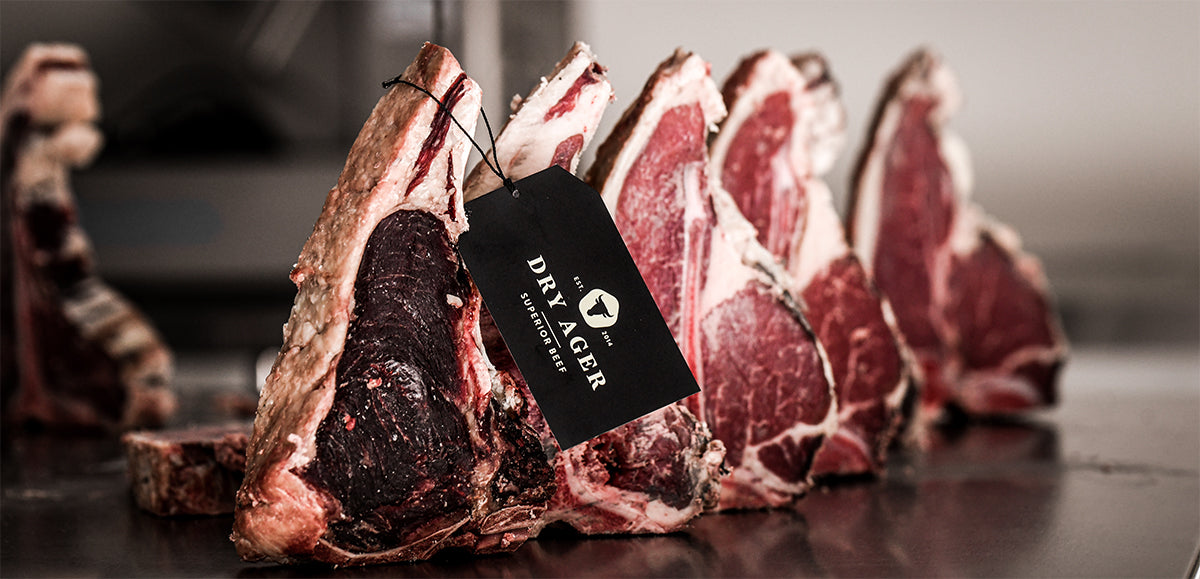
Matangi's Rump Roast is a lean, flavoursome cut that works exceptionally well slow-roasted with a good herb rub. At 100% grass-fed and dry-aged for three weeks on the bone, it has depth of flavour that you simply cannot replicate with supermarket beef.
The Topside, sometimes called the "easy to carve" roast, is another excellent option for crowds. It slices cleanly and evenly, making it particularly good for a buffet-style Easter spread where people are serving themselves.
For either cut:
-
Season well with salt 24 hours ahead if possible, or at minimum one hour before cooking.
-
Bring to room temperature before going into the oven.
-
Roast at 220°C for the first 15 minutes to develop a crust, then lower to 160°C for the remaining cook time.
-
Use a meat thermometer for confidence: 55°C for medium-rare, 60°C for medium.
-
Rest for 20 to 30 minutes under foil before carving.
Serve with roasted garlic, a good horseradish cream, and whatever seasonal vegetables you have on hand.
Planning for a Crowd: How Much Meat Do You Need?
This is the question most people underestimate. As a general guide for a sit-down Easter lunch:
-
Bone-in lamb leg: plan for approximately 300 to 350g of raw weight per adult
-
Bone-in lamb shoulder: plan for approximately 350g of raw weight per adult (more bone per kg)
-
Butterflied lamb leg: plan for approximately 200 to 250g of raw weight per adult
-
Beef roast (rump or topside): plan for approximately 200 to 250g of raw weight per adult
If you are offering both beef and lamb, reduce each portion slightly. Having leftovers is rarely a problem at Easter, particularly when the meat is this quality.
Ordering in Time for Easter
Matangi dispatches orders weekly from their Hastings butchery, with nationwide overnight delivery. All cuts are vacuum-sealed and packed in chilled packaging to arrive in perfect condition.
To have your Easter order arrive with plenty of time, placing your order at least a week ahead is recommended. The Matangi Lamb collection and Beef Roasts collection are the best places to start. If you want a hand choosing the right cuts and quantities for your group, the team is always happy to help at info@matangi.co.nz.
This Easter, make the centrepiece worth remembering. Chicory-finished Matangi lamb and 100% grass-fed Angus beef, raised in Hawke's Bay and delivered direct to your door, is the kind of thing that elevates a long weekend lunch into something people will talk about until the next one.