


-v1698821311816.webp?1800x1800&options=w_65)




-v1698821311816.webp?1800x1800&options=w_60)


How to Freeze and Store Beef Properly

Buying quality beef is an investment in flavour. Whether you are stocking up during a bulk order or preparing for busy weeks ahead, knowing how to freeze and store beef properly ensures you protect that quality from the moment it enters your kitchen.
Freezing beef correctly is not complicated, but small mistakes can affect texture, moisture, and taste. This guide walks through best practices for freezing, storing, and thawing different cuts so your Premium beef tastes just as good weeks later as it did on day one.
Why Proper Freezing Matters
Freezing preserves beef by slowing down bacterial growth. However, it does not improve quality. The way beef is wrapped, stored, and thawed determines whether it retains its natural tenderness and flavour.
Poor freezing can lead to:
-
Freezer burn
-
Dry or grainy texture
-
Loss of moisture
-
Dull flavour
Done correctly, freezing keeps your Premium cuts in excellent condition for months.
Understanding Vacuum Sealing
All Matangi beef arrives vacuum sealed, which is one of the best protections against freezer burn. Vacuum sealing removes air, reducing oxidation and preventing ice crystals from forming on the surface.
If you are placing your order from our Beef Mince & Patties or Low & Slow collections, you can freeze products immediately in their original packaging without rewrapping. This is particularly helpful for larger cuts such as brisket, short ribs, or whole roasts.
How Long Can You Freeze Beef?
While freezing keeps beef safe indefinitely, quality slowly declines over time. Use this general guide for the best flavour:
|
Cut Type |
Recommended Max Storage |
|
Steaks and Roasts |
6 to 12 months |
|
Mince |
3 to 4 months |
|
Slow Cook Cuts |
6+ months (if vacuum sealed) |
|
Patties and Kebabs |
3 to 4 months |
|
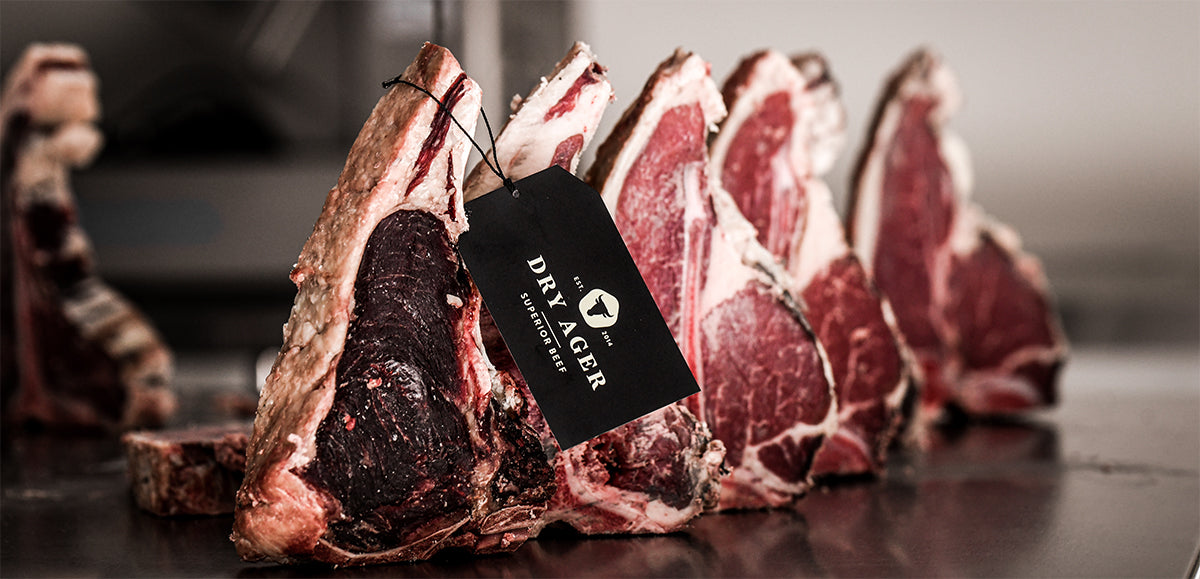
Premium Dry-Aged Steaks |
4 to 6 months |
Pro Tip: Keep your freezer at -18°C or colder and avoid repeated thawing and refreezing to maintain consistency.
Best Way to Freeze Different Cuts
Steaks
Freeze steaks flat and in a single layer if possible. This prevents uneven freezing and makes thawing more efficient. Premium cuts from our steaks collection, such as ribeye or sirloin, benefit from minimal handling before freezing.
Mince
If you plan to portion mince, flatten it inside the bag before freezing. Thin, even layers thaw faster and more evenly. Our premium dry-aged mince freezes exceptionally well in flat portions, making it ideal for quick weeknight dinners.
Roasts
Large roasts from our beef roasts collection can be frozen whole. Ensure they remain tightly sealed. If you plan to divide them later, portion them before freezing.
Low and Slow Cuts
Brisket, short ribs, and chuck freeze extremely well. These collagen-rich cuts from our Low & Slow range are forgiving and retain moisture beautifully when thawed properly.
Hidden Champions
Lesser-known cuts like bavette or flat iron from our Hidden Champions collection also freeze well. Because these cuts rely on correct slicing and cooking technique, proper thawing becomes even more important.
How to Thaw Beef Correctly
Thawing is where many people compromise quality. Slow thawing is always best.
1. Refrigerator Thawing (Recommended)
This is the safest and most reliable method. Move the beef from freezer to fridge and allow:
-
Steaks/Mince: 12 to 24 hours
-
Large Roasts: 24 to 48 hours
2. Cold Water Method
If you need to speed things up, submerge the sealed package in cold water. Change the water every 30 minutes. Never use warm or hot water, as this encourages uneven thawing and ruins the texture.
3. Avoid "Bench Thawing"
Leaving beef on the bench at room temperature increases the risk of bacterial growth and uneven warming. Always thaw in controlled conditions.
Freezer Organisation for Busy Families
If you regularly order online or stock up, a little organisation goes a long way:
-
Label clearly: Include the cut type and the date it was frozen.
-
Rotate stock: Bring older items to the front (First In, First Out).
-
Categorise: Keep quick-cook items (Mince, Patties, Rump) separate from slow-cook cuts (Chuck, Brisket).
Why Quality Matters Before Freezing
Freezing preserves quality; it does not fix inferior meat. Starting with Premium grass-fed Angus beef ensures that when you thaw and cook, the flavour remains clean, rich, and natural.
Final Thoughts
Freezing beef properly is about protecting the quality you invested in. Use the original vacuum packaging, keep temperatures consistent, thaw slowly, and avoid repeated freeze-thaw cycles. Proper storage ensures your beef performs exactly as it should when it reaches the pan, oven, or grill.