


-v1698821311816.webp?1800x1800&options=w_65)




-v1698821311816.webp?1800x1800&options=w_60)


How to Choose the Right Beef Cut for Every Cooking Method

Choosing the right cut of beef is one of the most important decisions you make before you even turn on the heat. Use the wrong cut for the wrong method and you will end up with a tough, dry, or simply disappointing result. Get it right and even a simple weeknight dinner becomes something worth talking about.
This guide takes the guesswork out of it. Whether you are planning a quick weeknight meal, a slow weekend braise, a roast for a crowd, or a special occasion on the BBQ, there is a cut that has been built for exactly that purpose. We have mapped Matangi's full range of grass-fed Angus beef to each cooking method so you can shop with confidence.
Why Cooking Method Should Drive Your Cut Choice
Every cut of beef comes from a specific part of the animal, and that location determines how much work the underlying muscle has done during the animal's life. Heavily worked muscles, like the shoulder, brisket, and shin, are full of collagen and connective tissue. They are tough when cooked quickly, but they reward long, slow cooking by breaking down into something deeply flavourful and tender.
Muscles that do less work, like the eye fillet, scotch fillet, and sirloin, are naturally tender. They cook beautifully with fast, high heat, but will become dry and overdone if you treat them the same way as a braise.
The simplest rule in beef cookery is this: the tenderness of the cut determines the method, not the other way around.
High Heat: Grilling, Pan-Searing, and BBQ
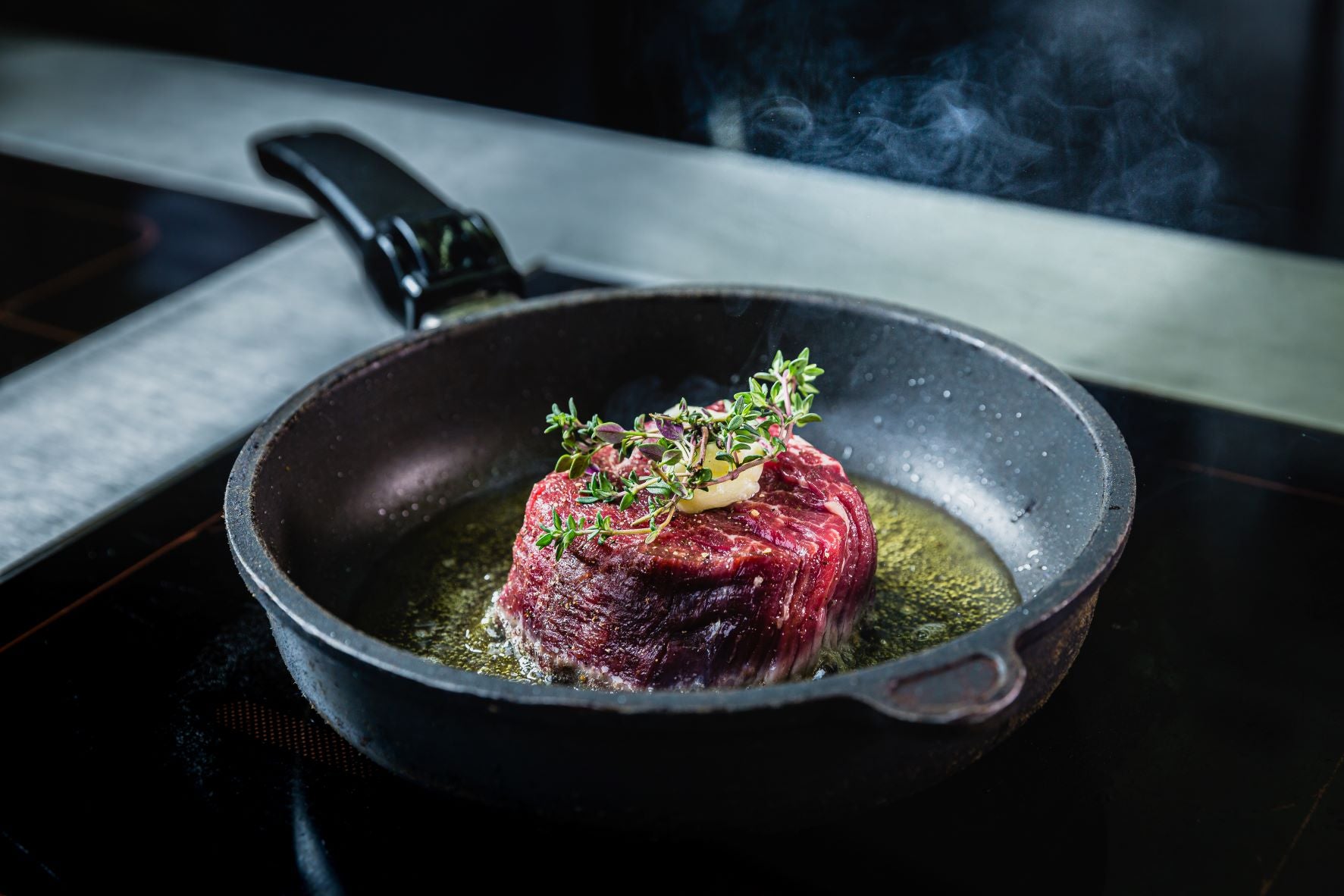
Fast, direct heat over a hot pan or grill is the natural home of tender, well-marbled cuts. These need very little time on the heat to develop flavour and reach the right internal temperature. For guidance on hitting your preferred doneness, see our Steak Doneness Guide.
The best cuts for high heat:
-
Scotch Fillet (Ribeye): Rich intramuscular fat makes this the most forgiving of the premium cuts. It develops a beautiful crust while staying juicy inside. This is the cut that rewards a screaming hot cast-iron skillet.
-
Eye Fillet: The most tender cut on the animal. Lower in fat than the scotch fillet, so it needs careful handling. Cook over high heat to medium-rare and rest generously. Ideal for special occasions or when you want the cleanest, most delicate steak flavour.
-
Sirloin: Well-marbled and deeply beefy. Excellent on the grill or in a hot pan. The fat cap adds flavour and helps self-baste during cooking. Also known as Porterhouse or New York Strip.
-
T-Bone: Two cuts in one, with sirloin on one side and eye fillet on the other. Excellent on the BBQ where the bone adds additional flavour. Requires a little more attention to cook both sides evenly given the difference in thickness.
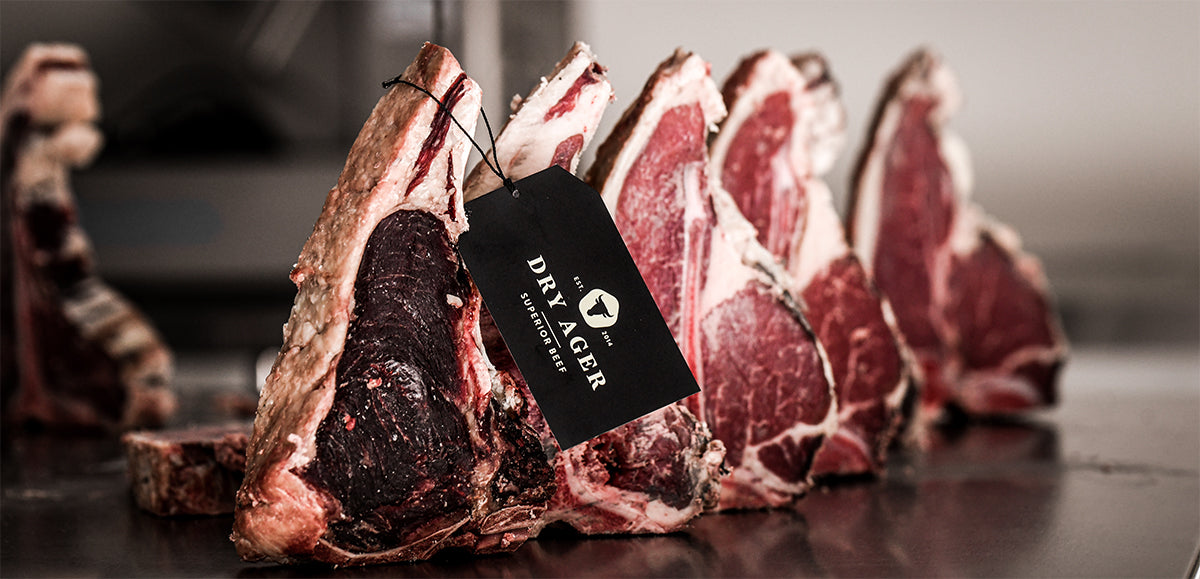
These cuts all belong to the Steaks collection and are available fresh or dry-aged, with aging periods ranging from 30 to 100 days for those who want maximum depth of flavour.
The Hidden Champions: High-Heat Cuts Worth Discovering
Beyond the classics, there is a range of cuts that perform brilliantly over high heat but are far less widely known. These are Matangi's Hidden Champions, and they deserve a place in every home cook's rotation.
-
Bavette: A flat, open-grained cut from the bottom sirloin. Deeply flavourful and ideal for quick cooking over high heat. Always slice thinly against the grain. A red wine and shallot sauce is a classic pairing.
-
Picanha: A Brazilian steakhouse favourite. Cut from the rump cap with its fat cap intact, this is exceptional on the BBQ, either roasted whole or sliced into thick steaks. The fat renders as it cooks and bastes the meat naturally.
-
Flat Iron: Cut from the shoulder, this is remarkably tender for a forequarter muscle. Well-suited to the grill or a hot pan, served medium-rare and sliced against the grain.
-
Hanger Steak: Prized by French butchers and often called the butcher's cut. Rich, beefy flavour with a slightly coarser texture. Brilliant marinated and grilled over high heat.
If you are used to always reaching for a scotch fillet, these cuts offer exceptional eating quality and a genuinely different experience at the table.
Roasting: Low to Medium Oven Heat
A good roast is one of the most rewarding things you can cook at home. The key is selecting a cut with the right balance of fat and muscle structure to hold up through the cooking time without drying out.
For detailed guidance on specific roasting cuts, see our blog on Top Beef Cuts for Roasting.
The best cuts for roasting:
-
Rump Roast: A reliable, flavoursome roast that suits a wide range of ovens and cooking styles. Works well at medium heat with a good herb rub. Versatile enough for a weeknight roast or a weekend dinner.
-
Topside: Known as the easy-to-carve roast. Lean and clean-flavoured, with a consistent texture that slices beautifully for a crowd. Best with regular basting throughout the cook.
-
Whole Eye Fillet: For something special. Sear on all sides first, then finish in a very hot oven (240°C) until the internal temperature reaches 45 to 50°C. Rest well before slicing. Serves a smaller group with impressive results.
-
Whole Sirloin: Sear the entire sirloin in a castiron pot, then finish in the oven. The fat cap protects the meat and adds depth throughout the cook. An excellent choice for entertaining a large group.
-
Bolar Blade: Excellent value. Higher collagen content than the topside makes it particularly good for slow-roasting at lower temperatures where it becomes very tender. Excellent for a Sunday roast.
Browse the full Roasts collection for cut availability and seasonal options.
Low and Slow: Braising, Smoking, and Slow Cooking
This is where the animal's hardest-working muscles come into their own. Long cook times at low temperatures gradually convert the collagen in these cuts into gelatin, producing meat that is deeply tender, richly flavoured, and self-saucing.
The best cuts for low and slow:
-
Brisket: The benchmark slow-cook cut. Ideal for smoking, braising, or slow-roasting. Requires patience, usually 8 to 12 hours at low temperature, but produces extraordinary results. Matangi brisket has a consistent fat cap that self-bastes throughout the cook.
-
Short Ribs: Beautifully marbled and loaded with flavour. Braise in red wine for 4 to 5 hours or smoke low and slow for the full American BBQ experience. The collagen-rich bone adds richness to the braising liquid.
-
Chuck: From the base of the neck, this is the classic pulled beef cut. Rich in connective tissue and flavour. Cook at 140 to 150°C for 4 to 6 hours until it falls apart. Excellent in tacos, on buns, or over mash.
-
Beef Cheeks: A deeply beefy cut that becomes extraordinarily tender after a long braise. Red wine, stock, and aromatics are all it needs. A restaurant favourite that is deceptively simple to cook at home.
-
Shin: Exceptional in osso bucco or slow-cooked stews. The bone adds marrow and richness to the cooking liquid.
Explore the full Low and Slow collection for the complete range.
Quick Cook: Under 20 Minutes
Not every great beef meal requires planning ahead. Matangi's Quick-Cook Beef Cuts are designed for exactly this purpose. Cuts like Minute Steaks, Beef Stir-Fry, and Schnitzel are pre-prepared and ready for fast weeknight cooking without sacrificing the quality that makes Matangi beef worth buying.
For recipe ideas built around these cuts, see our guide to 5 Weeknight Dinners Using Quick-Cook Beef Cuts.
A Simple Decision Framework
If you find yourself standing in front of the Matangi shop unsure which cut to choose, run through these questions:
-
How much time do I have? Less than 30 minutes points to quick-cook or high-heat cuts. More than 3 hours opens up the slow-cook range.
-
How many people am I feeding? Large groups call for roasts, whole sirloins, or slow-cook cuts that stretch further.
-
What is the occasion? Weeknight simplicity favours bavette, stir-fry strips, or rump. A special occasion calls for dry-aged scotch fillet, eye fillet, or a bone-in ribeye.
-
Do I prefer bold and rich, or clean and delicate? Rich and intense points to hidden champions, dry-aged cuts, and low-and-slow braises. Clean and delicate points to eye fillet and roast topside.
The Matangi Difference
Every cut across Matangi's range comes from 100% grass-fed Angus cattle raised on two farms in the Tuki Tuki Valley in Hawke's Bay. All beef is hung on the bone for a minimum of three weeks before being broken down by the in-house butchery team, which is why even the everyday cuts carry more depth of flavour than you typically find at the supermarket.
Whether you are building a weekly meal plan or planning something exceptional, the right starting point is understanding what each cut is built to do. From there, cooking great beef is simply a matter of following its nature.
Browse our full range and have your order delivered direct to your door anywhere in New Zealand.