


-v1698821311816.webp?1800x1800&options=w_65)




-v1698821311816.webp?1800x1800&options=w_60)


Steak Doneness Guide: Rare to Well Done

Few topics spark more debate than steak doneness. Rare, medium rare, medium, or well done—everyone has a preference, but not everyone knows how to achieve it consistently at home.
Cooking steak to the right doneness is less about guesswork and more about temperature, thickness, and resting. When you start with Premium steak cuts that are evenly portioned and properly aged, you remove much of the uncertainty. This guide breaks down each doneness level so you can serve steak exactly the way you like it.
Why Doneness Matters
Doneness isn't just about color; it directly affects:
● Texture and Juiciness: Higher temperatures tighten muscle fibres and push out moisture.
● Fat Rendering: Highly marbled cuts like ribeye need enough heat to melt the fat, whereas leaner cuts like eye fillet are best kept at lower temperatures.
Temperature & Texture Reference
|
Level |
Internal Temp |
Appearance |
Texture |
|
Rare |
48–50°C |
Cool red centre |
Very soft |
|
Medium Rare |
52–55°C |
Warm red centre |
Soft with light resistance |
|
Medium |
57–60°C |
Pink centre |
Firm but still tender |
|
Medium Well |
63–65°C |
Slight blush |
Firmer, reduced juiciness |
|
Well Done |
70°C+ |
Fully cooked |
Firm; minimal moisture |
A Note on Specific Levels
● Rare: Best for tender cuts like eye fillet. Heavily marbled cuts may feel "chewy" here as the fat hasn't fully rendered.
● Medium Rare: Widely considered the "gold standard" for Dry-Aged Sirloin and Ribeye. It allows marbling to melt while maintaining maximum juiciness.
● Well Done: If you prefer this level, choose a cut with higher fat content to ensure the steak remains flavourful despite the loss of moisture.
How to Cook to the Right Doneness
Thickness matters more than raw cooking time. A 2 cm steak behaves very differently from a 4 cm steak.
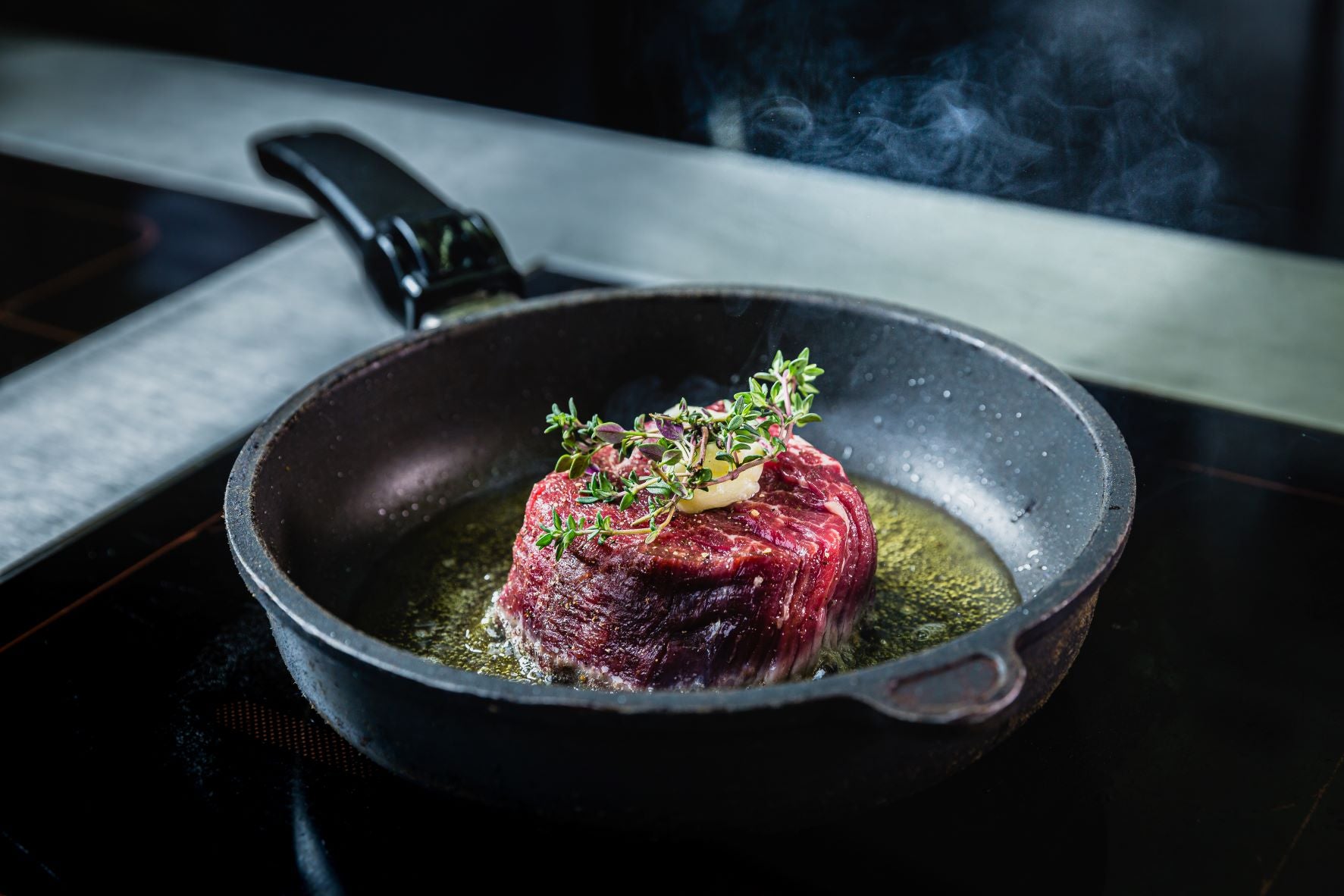
General Pan-Sear Method:
-
Tempering: Bring the steak to room temperature before cooking.
-
Prep: Pat dry and season generously.
-
High Heat: Heat a heavy pan until very hot.
-
Searing: Sear for 2 to 3 minutes per side.
-
Thermometer: For precise results, insert a meat thermometer into the thickest part. Remove from heat 2 to 3 degrees before your target temperature.
Why Resting Is Critical
Resting allows juices to redistribute. Cutting immediately causes those juices to run onto the plate instead of staying in the steak.
● Standard steaks: Rest for 5 to 10 minutes.
● Thick-cut steaks: Rest for 10 to 15 minutes.
Dry-Aged Steak and Doneness
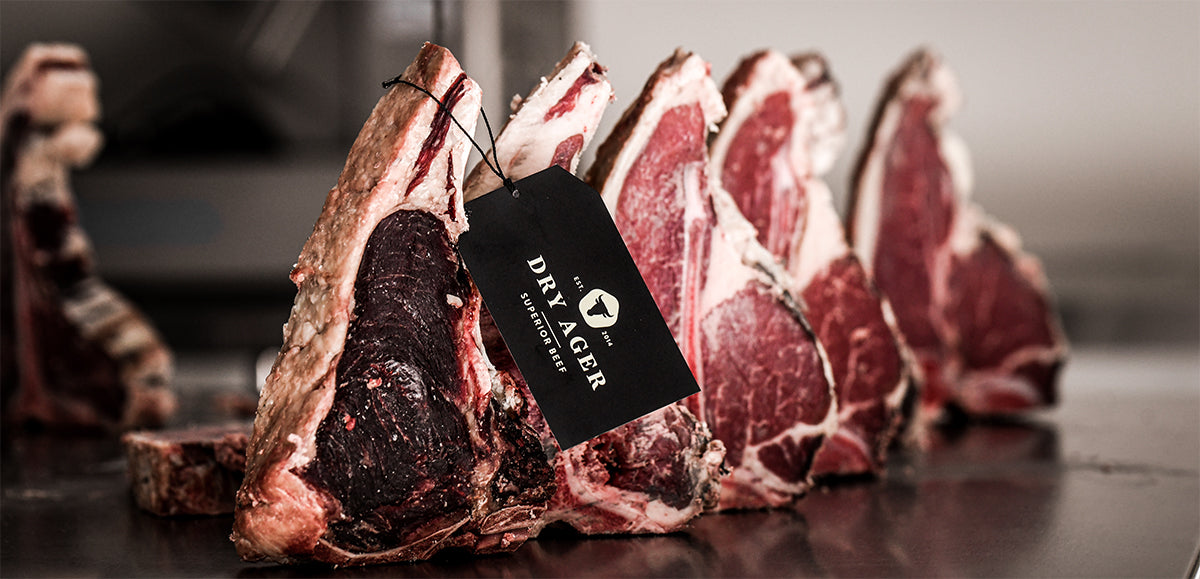
Dry-aged beef behaves differently due to reduced surface moisture. Explore our Dry-Aged Beef collection to find your ideal cut:
● It develops a crust more quickly.
● Flavour intensifies at medium rare.
● It benefits from careful temperature control to avoid overcooking.
Aim for medium rare to medium to fully appreciate the depth created by the Matangi ageing process.
Choosing the Right Cut
● If you prefer Rare to Medium Rare: Ribeye, Sirloin, Eye Fillet, Picanha.
● If you prefer Medium to Well Done: Sirloin, Rump, or any cuts with moderate marbling.
Hosting a Group? Consider a whole roast from our Roasts collection. Roasting allows you to achieve a consistent internal temperature across a larger cut, making it easier to serve a crowd.
Final Thoughts
The best doneness is the one you enjoy most. By understanding internal temperatures and the importance of resting, you can cook steak at home with the confidence of a professional butcher.